The Impact of Fast Fashion Trends on Online Consumer Behavior
Understanding Fast Fashion’s Influence
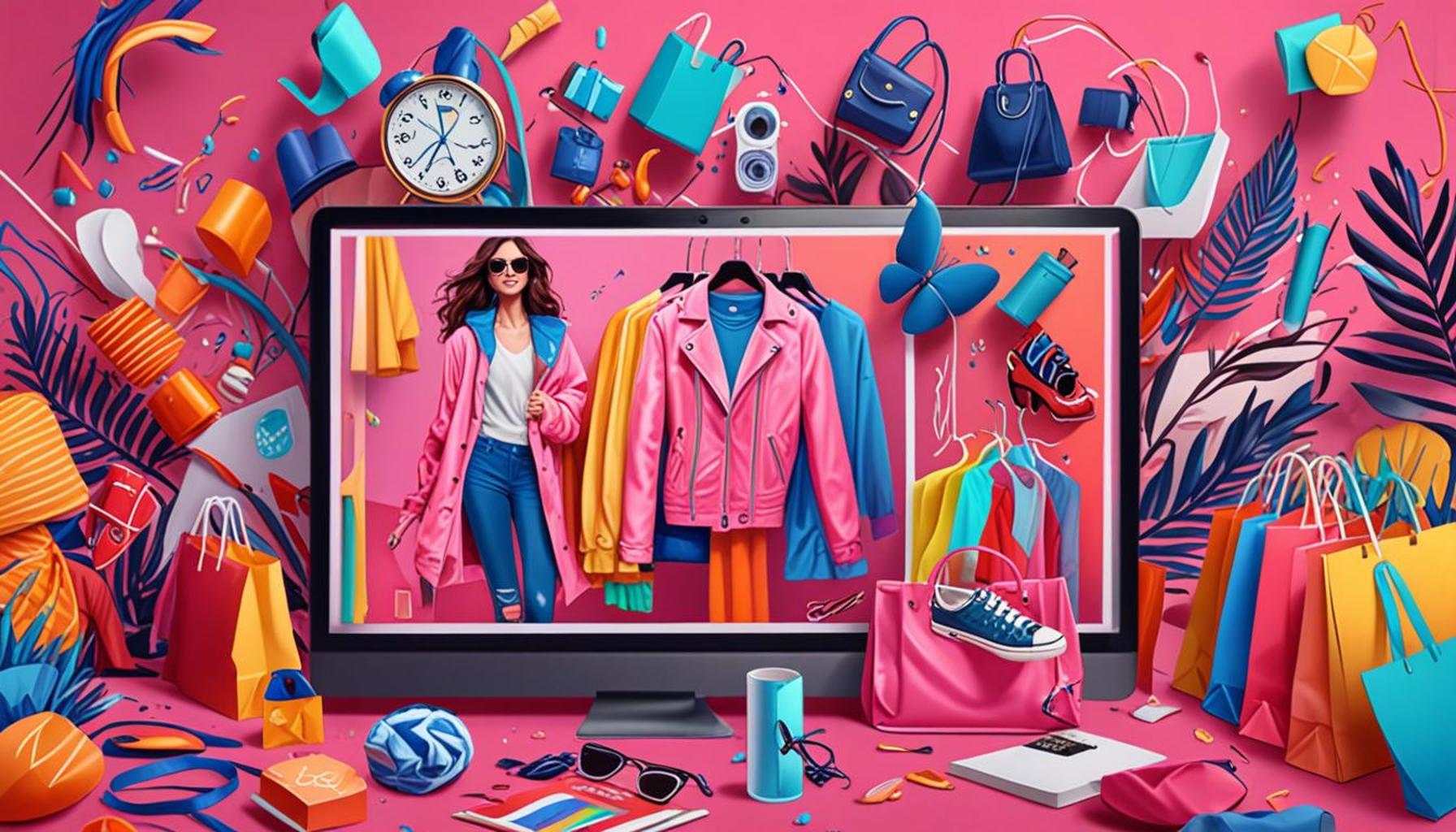
In today’s world, the rise of fast fashion has dramatically transformed how consumers interact with clothing. This phenomenon is characterized by the rapid production of trendy apparel that often comes with a low price tag. Brands like Zara, H&M, and Forever 21 have mastered this model, delivering the latest runway styles to retail floors in a matter of weeks. As a result, online shopping has become a primary avenue for consumers wanting stylish clothes without breaking the bank.
Consider these key elements of fast fashion’s impact:
- Speed of Trends: New styles can move from runway shows to online storefronts in a matter of weeks. For example, fast fashion retailers are known to produce similar versions of designer outfits almost immediately after they appear, allowing consumers to mimic high-fashion looks at a fraction of the price.
- Accessibility: Fast fashion brands leverage social media platforms like Instagram and TikTok, making it easier for consumers to discover and buy trends instantly. Influencers often flaunt these affordable pieces, creating buzz around certain items and driving multi-mass appeal.
- Price Appeal: The enticingly low prices make it easy for shoppers to buy frequently, often leading to impulsive purchases. An average consumer might visit a site with an intention to buy one dress but leave with three or four items, attracted by the low costs.
As a result, consumer behavior is evolving rapidly. Shoppers are becoming less loyal to specific brands, preferring to keep their wardrobes fresh with the latest trends offered by various retailers. This shift raises significant questions about sustainability and the long-term consequences of our consumer choices, particularly as the fashion industry is one of the largest polluters worldwide.
Behavioral Changes in Online Shopping
The online retail landscape is continuously adapting to consumer preferences. Shoppers now prioritize:
- Convenience: The ability to shop anytime and anywhere has changed how consumers approach buying clothing. Mobile apps and one-click purchases have streamlined the process, making shopping as easy as tapping a screen.
- Variety: Online platforms provide a vast array of options at consumers’ fingertips. Rather than being limited to physical stores, shoppers can easily browse thousands of styles from multiple brands in a single session.
- Instant Gratification: The thrill of receiving new items quickly has become a crucial aspect of online shopping. Fast fashion retailers often provide expedited shipping services, which satisfy consumers’ desires for immediate satisfaction and encourage repeat purchases.
Understanding how fast fashion shapes online consumer behavior is vital for both shoppers and retailers. This exploration not only highlights current trends but also encourages a critical examination of the implications for the future. As consumers become more aware of the environmental impacts of their shopping habits, there is potential for a shift towards more sustainable and ethical fashion practices. The current trajectory of fast fashion may soon face scrutiny, paving the way for a more conscientious approach to fashion consumption in the United States and beyond.
DON’T MISS: Click here to learn how to save effectively
The Shifting Landscape of Consumer Preferences
Fast fashion is not just a buzzword; it is a catalyst for a seismic shift in consumer behavior, especially in the realm of online shopping. As online platforms become the primary marketplace, factors such as trend velocity, engagement strategies, and purchase dynamics pave the way for evolving consumer expectations.
One of the most profound changes is the accelerated trend cycle. Fast fashion brands thrive on the agility to produce garments that resonate with current cultural phenomena. A noteworthy example is the resurgence of ’90s fashion. Online platforms saw an immediate spike in searches and sales for items like crop tops and oversized denim jackets, underscoring how swiftly consumer interests can shift and how quickly brands can respond. This near-instant adaptation means that consumers are often left feeling overwhelmed by the choices available to them. The rapid pace of change fosters a culture where shoppers expect new releases every time they log into an online store, fueling an insatiable appetite for novelty.
Additionally, social media plays a crucial role in shaping consumer expectations. Platforms like Instagram and TikTok serve as virtual runways where influencers showcase the latest fashion trends, often with direct shopping links. As a result, online shopping has become intertwined with social media engagement. Consumers now often perceive a gap between their online experiences and their in-store interactions. This disparity can lead to several behavioral changes:
- Price Sensitivity: The influx of constant promotions and discounts creates a scenario where consumers are conditioned to expect lower prices, encouraging them to shop frequently and impulsively.
- Brand Fluidity: Loyalty to particular brands is diminishing. Shoppers are less likely to stick with one label and are instead exploring various options that offer the latest trends, which means online retailers must continuously innovate.
- Environmental Awareness: As consumers become more informed about the damaging effects fast fashion has on the environment, there is a growing push for transparency and sustainability from brands. This heightened awareness is prompting more consumers to question their purchasing decisions.
This convergence of factors creates a unique marketplace where online consumer behavior is not solely about acquiring goods, but rather about the entire experience of shopping. Brands must not only deliver products but also engage with consumers meaningfully and authentically. The challenge lies in balancing speed, affordability, and sustainability, which is increasingly becoming the new mantra for consumers. As online habits evolve, it is evident that the fast fashion industry is at a crossroads, prompting a crucial examination of what the future holds for both brands and consumers alike.
| Category | Key Features |
|---|---|
| Sustainability Awareness | Growing focus on eco-friendly products |
| Impulse Purchases | Influence of social media promotions |
| Shift in Values | Value-based decision making |
| Brand Loyalty | Preference for ethical brands |
In the context of fast fashion, consumer behavior is significantly shaped by the ongoing discussions surrounding sustainability. The rise of sustainability awareness among consumers has led many to prioritize eco-friendly products when shopping online. This is an important trend that reflects a deeper change in values, where consumers are becoming more mindful of their purchasing decisions, favoring brands that align with their ethical standards.Furthermore, fast fashion contributes to a notable increase in impulse purchases, often catalyzed by dynamic social media promotions. The allure of trendy items available at a click feeds into the immediacy that online shopping offers. This phenomenon underscores the need for consumers to understand the implications of their spending, as rapid consumption cycles can perpetuate the very issues they may aim to avoid.Consumer values are shifting; individuals are now more inclined to assess their purchases based on how they align with personal ethics. As this trend solidifies, brands are adjusting their marketing strategies to foster loyalty, seeking to retain customers drawn in by ethical considerations rather than mere price points. The juxtaposition of fast fashion’s speed and the increasing demand for sustainability presents a complex environment for both consumers and retailers, raising questions about the future trajectory of online shopping in light of these evolving behaviors.
DISCOVER MORE: Click here to learn how to profitably recycle your old Shein clothes
The Influence of Digital Marketing and Consumer Psychology
The profound impact of fast fashion on online consumer behavior cannot be overlooked, particularly when examining the strategies employed by brands in the digital marketing landscape. Fast fashion retailers capitalize on sophisticated algorithms and targeted advertising, which create a seamless shopping experience that feeds consumer desire and amplifies the push for instant gratification.
One notable tactic is the use of scarcity marketing. By portraying items as “limited edition” or “last chance,” fast fashion brands effectively tap into consumer psychology, inciting a sense of urgency that compels shoppers to make immediate purchases. For instance, platforms such as ASOS and Zara routinely utilize countdown timers on sale items, prompting consumers to act before their desired pieces vanish. This strategic approach not only heightens the impulse to buy but also fosters a fear of missing out (FOMO) that can lead to spontaneous spending, as consumers rush to claim the latest trends.
Moreover, the integration of user-generated content (UGC) significantly influences buying behavior. Brands encourage customers to showcase their purchases through hashtags and social media accounts. This practice generates a feeling of community among shoppers and cultivates a sense of authenticity that traditional marketing lacks. A prime example is the role of platforms like TikTok, where the ‘#OOTD’ (Outfit of the Day) trend has propelled many fast fashion items to viral status, leading to immediate sales spikes. Such organic endorsements often resonate more deeply than conventional advertising, steering consumers toward impulsive buying decisions driven by peer validation.
In addition to these marketing techniques, the rise of personalization in online shopping has transformed how consumers engage with brands. Utilizing data analytics, retailers like H&M and Forever 21 customize product recommendations based on individual browsing habits and prior purchases. This ongoing, tailored interaction not only enhances the shopping experience but also makes consumers feel valued, nudging them toward more frequent purchases tailored to their tastes. As a result, shoppers are encouraged to view their online interaction as a curated journey rather than a one-off transaction.
The rapid rise of mobile commerce is another pivotal factor influencing online consumer behavior. With over 50% of online shopping now occurring via mobile devices, fast fashion brands are optimizing their websites and apps for mobile access. This includes simplified navigation, mobile-exclusive discounts, and quick checkout options that cater to on-the-go consumers. Enhanced functionalities such as AR try-ons and virtual fitting rooms have emerged as essential tools, allowing consumers to visualize how garments will fit and look while minimizing the chances of purchasing the wrong size or style—reducing return rates in the process.
However, this ambiance of convenience and instant gratification also leads to broader implications, particularly regarding consumer well-being. The constant barrage of digital marketing can overwhelm consumers, fostering anxiety over keeping up with trends and maintaining a curated wardrobe. Moreover, as the online landscape grows increasingly saturated, shoppers may find themselves scrutinizing their purchases more critically, resulting in a fluctuating relationship with their brands. Such changes call for a nuanced understanding of how the fast fashion model shapes not only shopping habits but also the overarching consumer mindset in a digital-first world.
DISCOVER MORE: Click here to learn about Shein’s digital marketing strategies
Conclusion: Understanding the Evolving Consumer Landscape
The impact of fast fashion trends on online consumer behavior presents a multifaceted landscape shaped by innovative marketing strategies and emerging digital platforms. As fast fashion brands leverage tactics like scarcity marketing and the efficacy of user-generated content, consumers find themselves in a perpetual cycle of branding allure and peer pressure. The blend of urgency and authenticity that these brands create can lead to impulsive purchases, often overshadowing thoughtful decision-making.
As more than 50% of online shopping shifts to mobile devices, fast fashion retailers are responding with tailored experiences that prioritize convenience. In an era where personalized recommendations and interactive tools like AR try-ons redefine engagement, companies successfully cater to the demand for speed and accessibility. However, it is crucial to recognize that this convenience breeds a deeper psychological toll; consumers may face increased anxiety related to trend survival and continuous consumption.
Ultimately, as the digital retail environment evolves, so too does the responsibility of both consumers and brands. Awareness around the effects of fast fashion practices opens avenues for more sustainable decision-making and healthier consumption patterns. It prompts potential shifts in the industry as consumers become more discerning about their choices. Moving forward, understanding this dynamic can empower shoppers to engage with online retail in a manner that aligns better with their values while also promoting a more conscientious marketplace that recognizes the long-term implications of fast fashion culture.
Related posts:
Consumer Behavior Analysis: How Shein Uses Data to Personalize Shopping Experiences
Analysis of Shein's Influencer Strategies in Digital Marketing
The Evolution of Shein's E-commerce: Technological Innovations and User Experiences
The Role of Social Media in Building the Shein Brand and Sales Conversion
The Influence of E-commerce Platforms on Shein's Digital Marketing Strategies
How Shein Uses Data to Personalize the Digital Shopping Experience