
The impacts of inflation on the purchasing power of Americans: what you can do
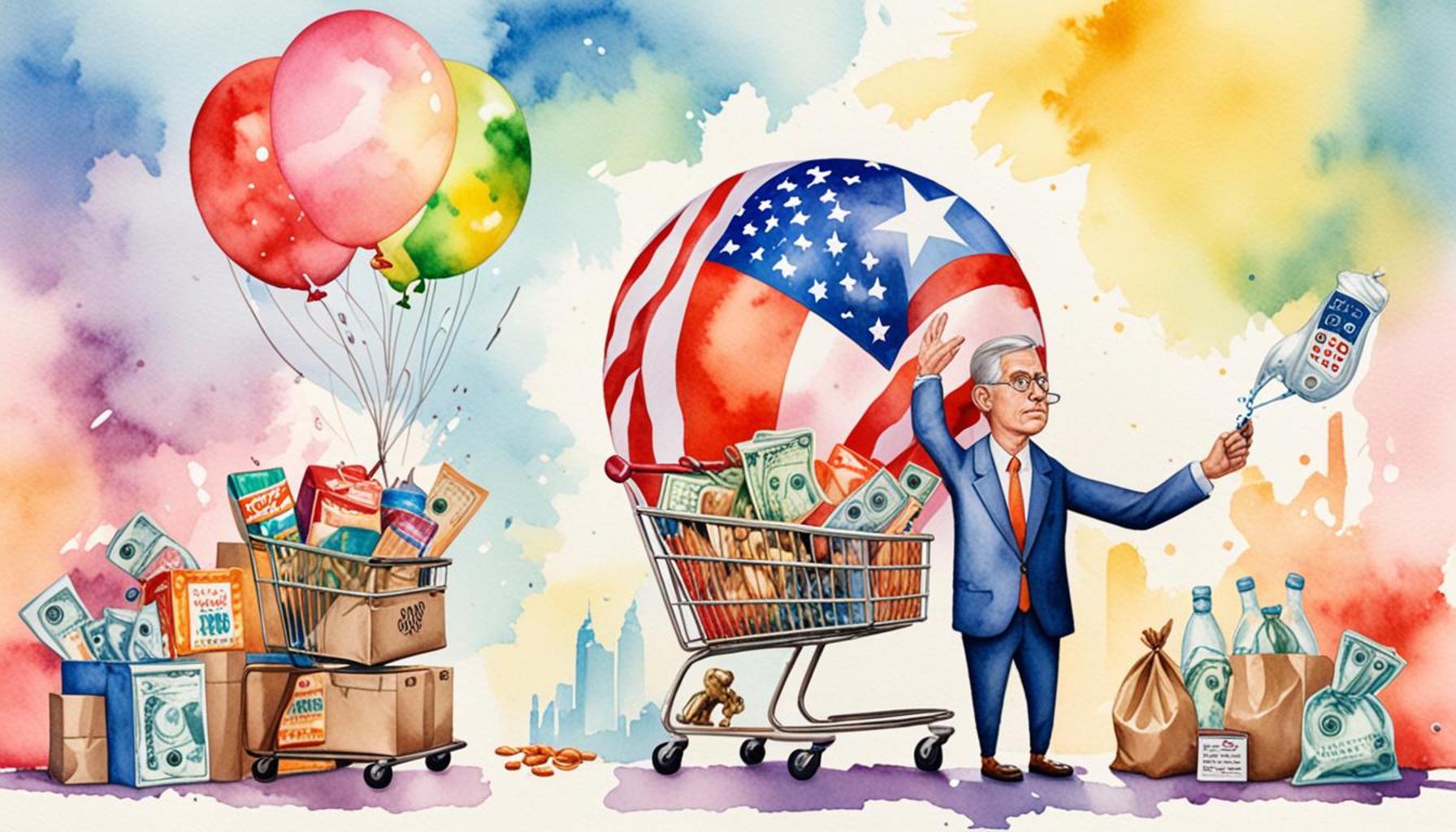
Inflation, often referred to as the silent thief of purchasing power, impacts virtually every aspect of an individual’s daily life. When inflation rates increase, the currency’s value diminishes, meaning that consumers will need to spend more money to acquire the same goods and services they could have bought for less before. This situation strains household budgets and complicates financial planning. Understanding how inflation interacts with purchasing power is essential for navigating these economic challenges effectively.
Impact of Inflation on Various Sectors
As of 2023, inflation has been particularly visible across several key sectors of the economy, showcasing its widespread effects:
- Housing: The housing market has been significantly affected, with rental prices experiencing a dramatic increase of more than 15% over the past year. This surge in costs can lead to a severe strain on individuals and families, especially those with fixed incomes or stagnant wages. Higher rents can force many to allocate a larger portion of their income towards housing, sometimes compromising their ability to save or spend on other necessities.
- Food: Grocery prices have risen by approximately 12%, greatly impacting household budgets. Basic staples such as bread, milk, and eggs have become more expensive, burdening families that must make tough choices between quality and quantity. The increased cost of food not only affects grocery bills but can also lead to nutritional compromises, as families may opt for cheaper, less healthy options.
- Transportation: In terms of transportation, gas prices have shown volatility, with a notable increase of around 10% in just a few months. This fluctuation not only affects those who commute to work daily but can also result in increased prices for goods transport, ultimately leading to a ripple effect of higher prices on consumer products.
Strategies for Financial Resilience
Given the statistics highlighting inflation’s significant influence on everyday life, consumers must revisit their financial strategies to navigate this landscape effectively. Here are some key areas to focus on:
- Budgeting: A thorough reevaluation of monthly expenses is necessary. Consumers should differentiate between essential and discretionary spending. For example, understanding which expenses are fixed, like rent or utilities, versus variable costs, like dining out or entertainment, can help individuals make informed reductions in non-essential areas.
- Investing: Adapting investment portfolios to hedge against inflation is crucial for safeguarding wealth. Investors might consider inflation-protected securities or commodities such as gold, which often retain value or appreciate during inflationary periods. Diversifying investments can also mitigate risk, ensuring a more stable return over time.
- Debt Management: Prioritizing high-interest debt could save significant money in the long run. Focus on paying down credit card balances, which typically carry high-interest rates, to reduce long-term financial burden. This strategy not only lowers monthly payments but also frees up cash to address rising costs elsewhere.
In conclusion, comprehending the intricate relationship between inflation and purchasing power is essential for anyone looking to enhance their financial resilience. By adopting effective budgeting, investing wisely, and managing debt, individuals can better maneuver through these economic challenges and safeguard their financial future.
DISCOVER MORE: Click here to learn how to manage your emergency funds effectively
Navigating the Inflationary Landscape
As inflation continues to reshape the financial landscape, Americans are confronted with the pressing challenge of adjusting their economic behaviors to preserve purchasing power. This adjustment often requires a detailed understanding of how inflation affects individual financial situations, underscoring the importance of proactive measures.
One of the most compelling impacts of inflation is the erosion of consumer spending power. When prices rise, each dollar earned buys fewer goods and services than before, which can lead to a marked decline in living standards. The annual inflation rate in 2023 is hovering around a concerning 6% to 8% based on various indices, indicating that consumers might find themselves struggling to maintain previous spending patterns. Such a norm makes it imperative for individuals to scrutinize their financial choices and adapt accordingly.
Understanding Real vs. Nominal Prices
It is essential to differentiate between nominal prices—the actual dollar figures—and real prices, which account for inflationary adjustments. For instance, if your salary increases by 5% in a year when inflation is at 6%, your purchasing power effectively decreases. In real terms, this means that you can afford less than you did previously, necessitating a reconsideration of how income adjustments are perceived.
- Long-term Effects: Continued inflation can lead to wage stagnation, wherein salaries fail to keep pace with rising prices. Over time, this means households may find themselves unable to purchase necessary items, impacting their quality of life.
- Cost of Living Adjustments: In some sectors, particularly those contracting with governmental bodies or large corporations, contractual agreements may include cost-of-living adjustments (COLAs) intended to mitigate the adverse effects of inflation on workers’ buying power. It’s crucial for individuals to be aware of such provisions and advocate for them where applicable.
Moreover, inflation influences savings accounts and investment returns. Traditional savings often yield interest rates that fall short of inflation rates, effectively diminishing the value of saved money over time. For example, if a savings account offers 0.5% interest and inflation is at 6%, the real value of savings declines. Consequently, consumers must seek better returns through savings vehicles that can outpace inflation.
Prioritizing Essential Expenses
With rising costs in key areas such as housing, food, and transportation, it becomes increasingly important for consumers to prioritize essential expenses. Families are often forced to make tough decisions regarding spending habits, balancing necessities against discretionary splurges. Here are practical steps to consider:
- Assess Necessities: Create a hierarchy of expense needs; categorize items into essentials like food and housing versus non-essentials like luxury goods or entertainment. This prioritization allows families to pinpoint areas where spending can be curtailed.
- Explore Alternatives: Look for substitutions that maintain value but come at a lower price point. For example, shopping seasonal produce can lead to savings while also supporting health and nutrition.
- Utilize Discounts and Coupons: Engaging in couponing and leveraging discounts through loyalty programs or online platforms can significantly reduce expenditure, thereby alleviating the burden inflation places on budgets.
Ultimately, by recognizing the impacts of inflation and implementing strategic financial measures, consumers can better navigate the complexities of a fluctuating economy while safeguarding their purchasing power.
DON’T MISS OUT: Click here to learn why starting a retirement fund now is crucial
Maximizing Income and Investment Strategies
In light of escalating inflation rates, a prudent approach for Americans involves actively seeking ways to maximize income and refine investment strategies to counter the depreciation of purchasing power. This multifaceted strategy not only aims to bolster household finances but also seeks to optimize financial growth in challenging economic times.
Diversifying Income Sources
One of the most effective ways to mitigate the effects of inflation is by diversifying income streams. Relying solely on a single source of income, such as a salary, can expose households to greater financial risks, particularly when inflation erodes the value of that income. Here are some avenues to explore:
- Side Gigs: Consider engaging in freelance work or part-time jobs that leverage personal skills or hobbies. Platforms like Upwork, Fiverr, or TaskRabbit facilitate connections with those seeking services, providing a flexible way to earn additional income.
- Passive Income Opportunities: Rental properties or dividend-generating investments can serve as alternative revenue sources. While initial capital may be required, such sources can provide resilience against inflation by generating consistent cash flow.
- Skill Development: Invest in education or certifications that may lead to higher-paying job opportunities. Enhancing skills in high-demand industries such as technology or healthcare can yield significant returns.
Reassessing Investment Portfolios
In an inflationary environment, it is critical to evaluate investment strategies to ensure that they align with long-term financial goals while countering the negative impacts of rising prices. Here are several key considerations to keep in mind:
- Investing in Inflation-Protected Securities: Consider adding Treasury Inflation-Protected Securities (TIPS) to your investment portfolio. These government securities adjust with inflation, ensuring that the principal value rises in response to inflationary trends.
- Diversification Across Asset Classes: Stocks, commodities, and real estate typically outperform cash during inflationary periods. Allocating a reasonable portion of your portfolio to equities, particularly in sectors like energy and materials, can provide a buffer against inflationary pressures.
- Consider Real Assets: Commodities such as gold, silver, or agricultural products often hold their value during inflationary times. Investing in these real assets can serve as a hedge against inflation, helping preserve purchasing power.
Staying Informed and Adjusting Financial Plans
Keeping a close watch on economic trends and adjusting financial plans accordingly is paramount. Understanding how inflation is projected to behave can lead to more informed decision-making. Here are steps to ensure you remain financially agile:
- Follow Economic Indicators: Monitor metrics such as the Consumer Price Index (CPI) and Producer Price Index (PPI), which can offer insights into inflation trends and help you anticipate future price movements.
- Regular Financial Reviews: Conduct periodic reviews of your budget, savings, and investment strategies to assess whether they remain aligned with your long-term goals. This proactive approach enables you to make necessary adjustments that reflect changes in your financial landscape.
- Consult Financial Advisors: Engaging with financial professionals can provide valuable insights on tailored strategies to safeguard against inflation. Advisors can assess your unique situation and recommend customized solutions to optimize your financial health.
By understanding and anticipating the impacts of inflation, Americans can better position themselves to not only survive but also thrive in an inflationary environment, ensuring that their purchasing power, investments, and overall financial wellbeing are secured.
DISCOVER: Click here to learn more
Conclusion
The ongoing challenge of inflation significantly affects the purchasing power of Americans, demanding both awareness and action from individuals. As inflation continues to rise, understanding its impacts is crucial for maintaining financial stability. By actively diversifying income sources, reassessing investment portfolios, and remaining informed about economic trends, Americans can strategically navigate these turbulent waters.
Diversification stands as a cornerstone of financial resilience in an inflationary environment. Whether through side gigs, passive income ventures, or enhancing one’s skill set, multiple income avenues allow for greater financial security. On the investment front, reallocating assets into inflation-protected securities and real assets can provide essential protection against the eroding effects of rising prices.
Furthermore, adopting a proactive approach to financial planning through regular reviews and consultations with financial advisors can ensure that personal financial strategies remain robust amid changing economic conditions. By aligning financial strategies with current market realities, Americans can safeguard their purchasing power and ultimately enhance their overall financial well-being.
Ultimately, while inflation poses significant challenges, it also opens the door for critical financial education and strategic planning. By equipping themselves with the right tools and insights, Americans can not only survive in an inflationary landscape but also pave the way for future prosperity.
Related posts:
Recent Changes in Student Loan Regulations
How to Organize Your Personal Finances Using Simple Spreadsheets
How to Define Financial Priorities and Stay Focused
How to rebalance your investment portfolio
Main changes in retirement laws this year
How to choose between stocks and real estate funds for beginners

Linda Carter is a writer and financial expert specializing in personal finance and financial planning. With extensive experience helping individuals achieve financial stability and make informed decisions, Linda shares her knowledge on the our platform. Her goal is to empower readers with practical advice and strategies for financial success.